
Why do we have a youth homelessness crisis in the UK?
If young people aren’t designed into housing and homelessness systems, they get directly excluded.
Young people are not adequately supported during an already challenging transition to adulthood. They may be pushed into homelessness due to violence, abuse and trauma at home or in the care or criminal justice system. Required to be socially and financially independent for the first time, they face lower pay and minimum wage jobs in the labour markets, increasing their risk of poverty.
With young people disproportionately affected by both the pandemic and the cost-of-living crisis, action is required now to avoid long term societal repercussion.
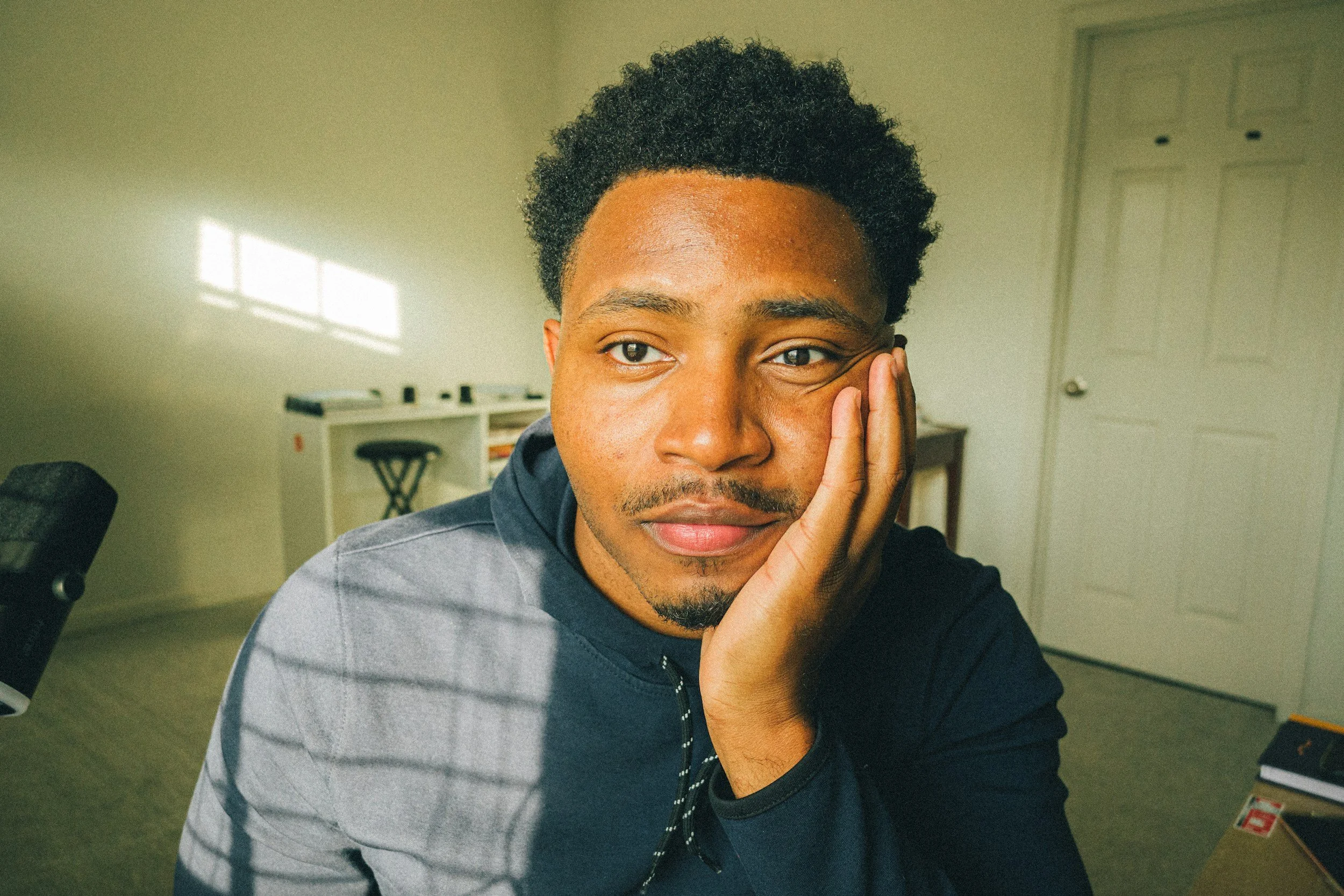
“Our voices should matter. Our voices should not be closed like a book.”
- Leo, Youth Ambassador at YMCA England & Wales
8 unique ways that young people experiencing homelessness face barriers to support:
1. They are often invisible to authorities and services
Young people are more likely to be ‘hidden homeless’, sleeping on a friend’s sofa or alternating between different short-term accommodations.
2. They struggle to evidence their homelessness
The current system makes it really difficult for young people to prove they are homeless. This leads to cruel processes like having to approach their former caregiver for written confirmation that they are no longer welcome in their home.
3. Young people are being turned away and may not be receiving the support they need or are entitled to
In 2024-25, Centrepoint found that more than one-third of young people did not receive a homelessness assessment when presenting as homelessness and only 51% were offered any kind of support by their council (in 2023-24). Many are told to go home even though this may not be a safe option.
4. They don’t know what support is available beyond the family home
Over 50% of young people accessing New Horizon Youth Centre in London do not approach their local authority, demonstrating a lack of knowledge of their rights.
5. They are subject to age-related discrimination in terms of pay
Young people get lower wages, less benefits and less entitlements in the support they’re offered. Yet young people have to pay the same bills as the rest of the population, are experiencing the cost of living crisis like the rest of us and often have the lowest savings and support to fall back on when they need it. Sounds unfair, doesn’t it?
6. There is a lack of supply of suitable, affordable and youth appropriate housing
Many young people have no ready guarantor to secure rental housing if family relationships have broken down. Additionally, there is a diminishing supply of social housing leaving many young households stuck on waiting lists or in temporary accommodation, without the ability to move on and live independently.
7. They face systemic racism and discrimination of minoritised communities
Centrepoint found that one third of young people in the private rental sector (PRS) reported discrimination by landlords or agents. Employment status (37%) and ethnic or racial background (35%) were reported as the main reasons for discrimination against prospective tenants. Additionally, research shows that LGBTQ+ people are disproportionately impacted by homelessness with akt reporting that 1 in 4 (26%) of young people experiencing homelessness identify as LGBTQ+.
8. They face higher risk of exploitation by not having their needs met
Family breakdown, domestic abuse and eviction from supported housing are the three main reasons young people face homelessness, which in turn can increase vulnerability to exploitation. Young people experiencing homelessness are at higher risk of being exposed to harmful behaviours or harassment and exploitation.
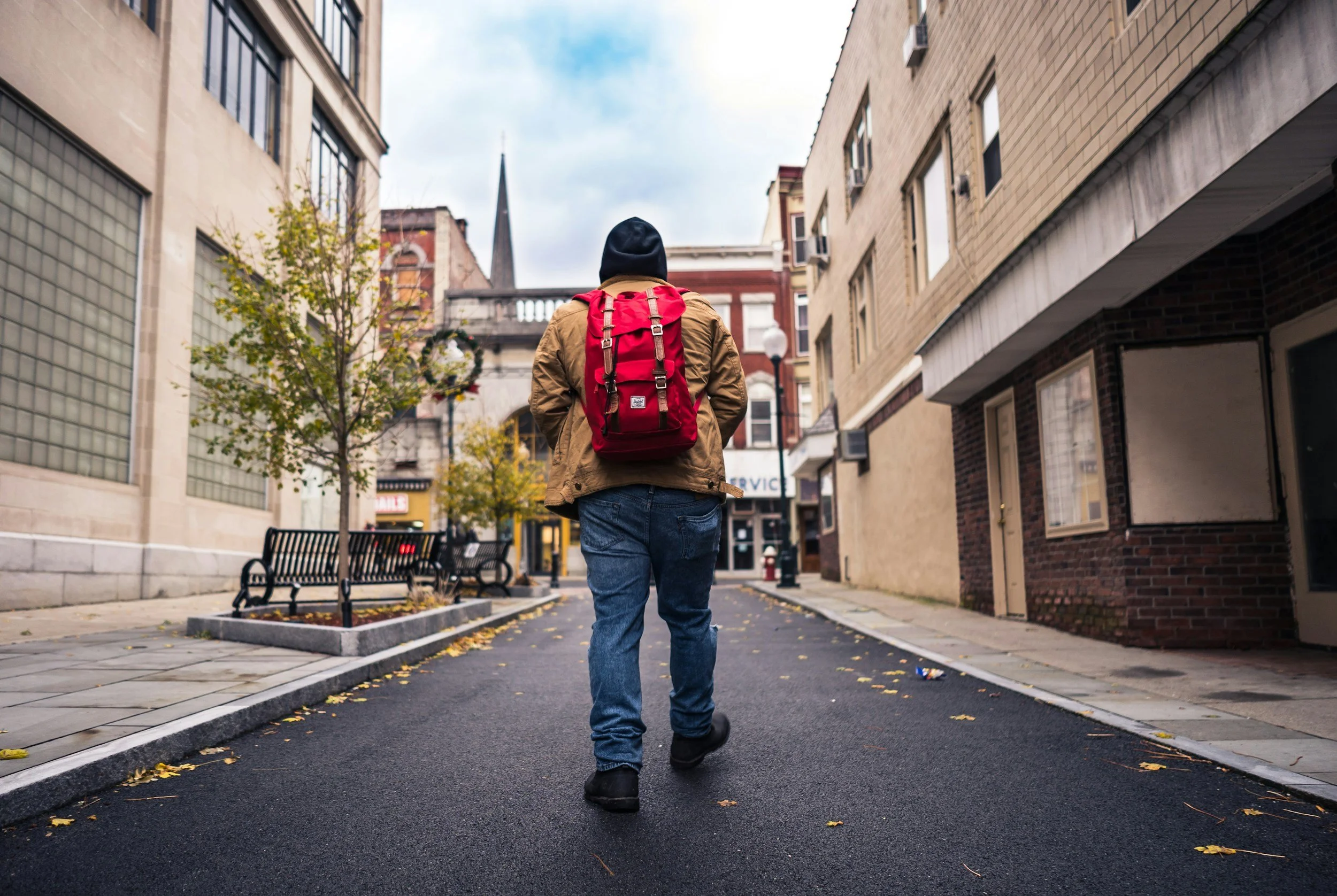
The five main reasons young people become homeless
According to Centrepoint’s latest report, using data from 2024-25:
Family or friends no longer willing or able to accommodate
Domestic abuse
Evicted from supported housing
End of assured shorthold tenancy
Required to leave accommodation provided by Home Office as asylum support
The knock-on impact

Centrepoint reports only 51% of those young people who presented as homeless or at risk at their local authority in 2023-24 were offered any kind of support, meaning their homelessness was either ‘prevented’ or ‘relieved’. The negative impact on the health, education and employment prospects of young people without a home cannot be denied.
Further, data from a questionnaire carried out by DLUHC in 2020 on people that sleep rough found that 54% of people reported experiencing homelessness for the first time when under the age of 25; and 48% experienced rough sleeping for the first time before this age.
We need effective, cross-cutting interventions for young people at risk of homelessness if we are to prevent entrenchment. Not to mention the opportunity cost of failing to harness the talents of a generation.
The problem is big, but it can be solved if we act now.